A garment has a character before a graphic is printed on it. There is the way a sleeve falls, the density at the hem, and the distance the fabric holds from the body. Looking closely at those details makes buying streetwear a more informed decision.
Premium is a word to investigate. Read it alongside the composition, measurements, construction photographs and care instructions. A heavier fabric or a higher price alone cannot tell you how a garment will fit your life.
What fabric weight tells you
Gsm means grams per square meter: a measure of fabric mass over a fixed area. It helps you compare substance, but it does not describe every part of the wearing experience. Fiber blend, knit structure and finishing also affect how a piece bends, falls and feels.
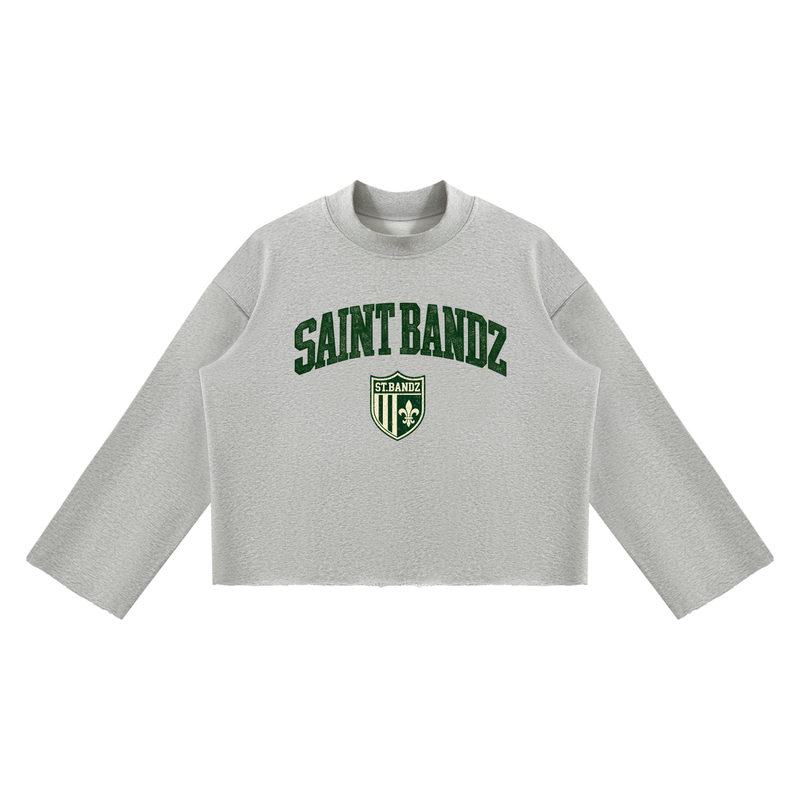
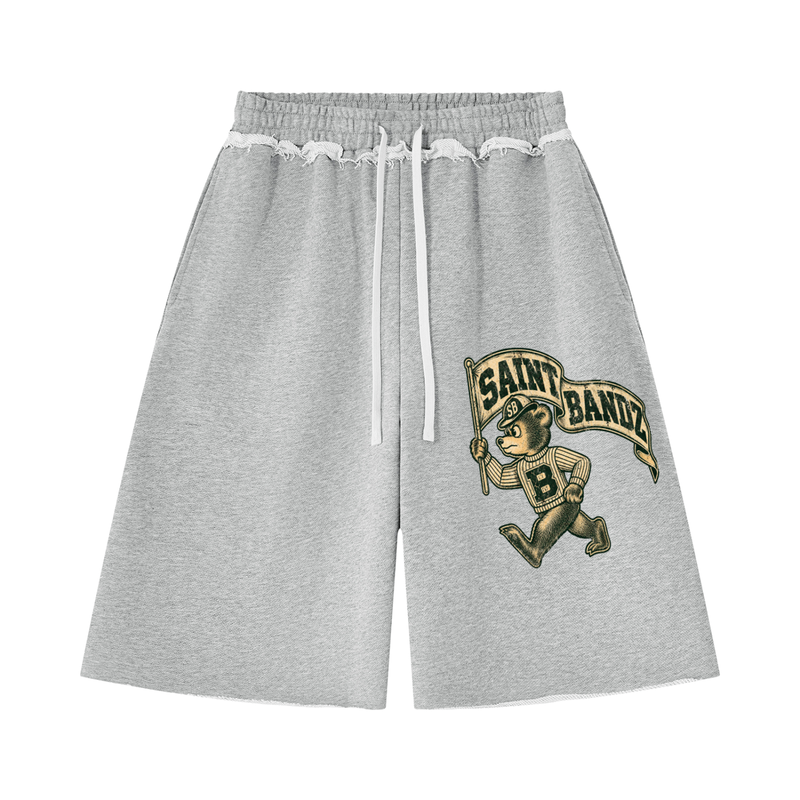
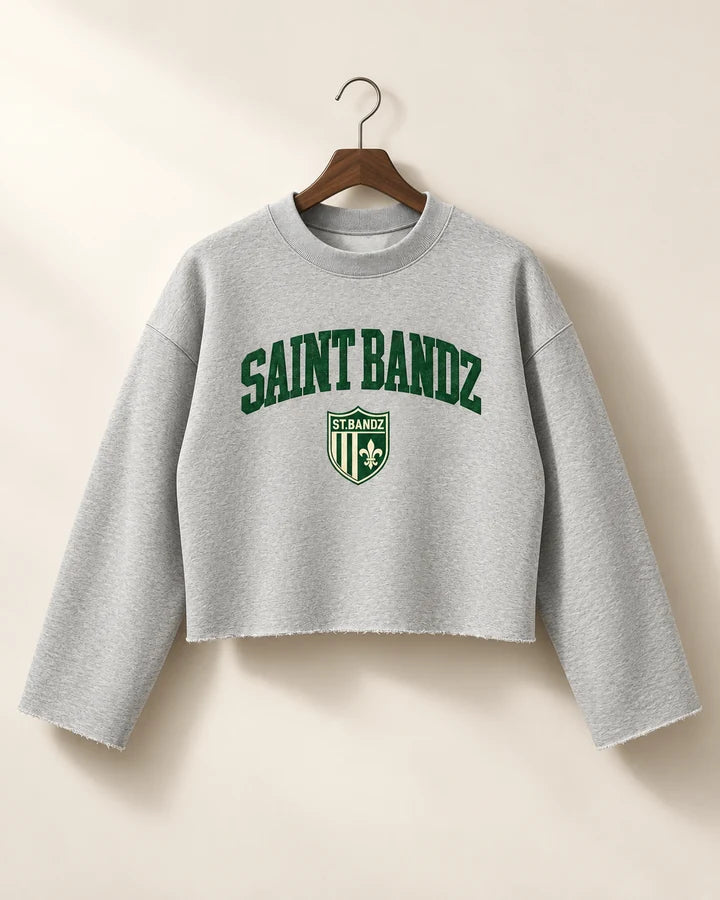
The current ST.BANDZ Raw-Edge Boxy Sweatshirt listing specifies 350 gsm with 88% cotton and 12% polyester. The Forever Bandz Heavyweight Raw-Edge Shorts listing specifies 420 gsm and 100% cotton. Those are two different constructions within a coordinated visual language. The numbers describe the listed fabrics; they are not a laboratory comparison or a durability rating.
Read the drape, then read the silhouette
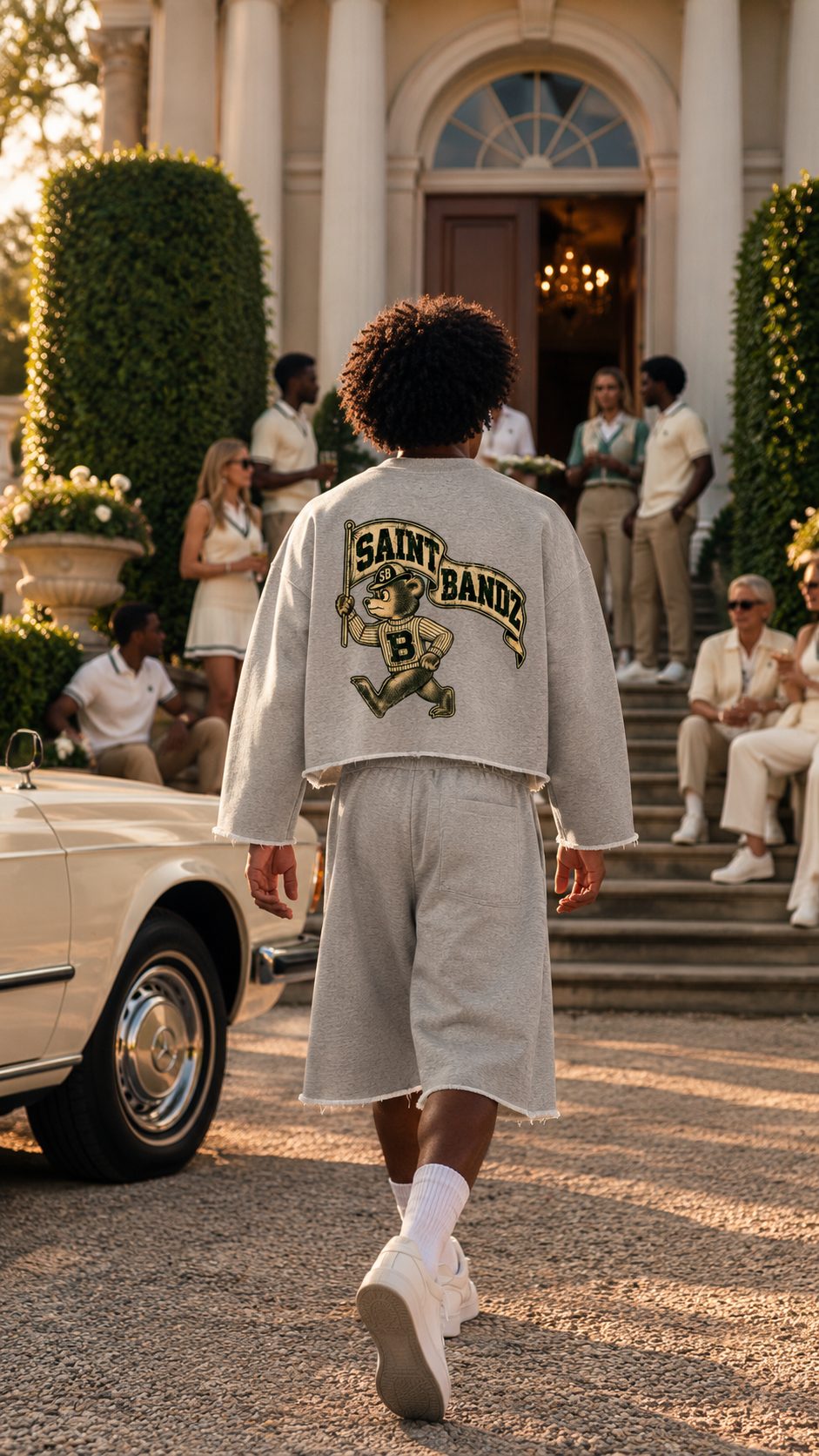
Drape describes how a fabric hangs. Look at product photographs around the underarm, side seam and hem: these areas help reveal whether the shape falls close to the body or stands away from it. A hanger photograph is useful for seeing the outline, while on-body imagery adds context about movement and length.
The sweatshirt's boxy body and dropped shoulders make width part of the intended shape. The shorts combine a loose fit with a mid-rise drawstring waist. When styling them together, keep the waistband where it feels comfortable and let the top finish high enough for the shorts to remain visible.


Raw edges are a design decision
A raw-edge finish leaves a cut edge visible rather than presenting a conventional turned hem at that point. On the current sweatshirt, the listing identifies a raw-edge hem and straight sleeve ends; on the shorts, it identifies raw-edge leg openings. These details introduce a more relaxed visual line alongside the collection's sporting graphics.
Look at close photographs to understand which edges are intentionally raw and which seams are finished. A distressed design should still be assessed for the construction information provided. Ask about an unclear detail before ordering rather than assuming every loose-looking edge serves the same purpose.
Separate washed color from graphic distressing
A faded graphic and a washed fabric are related visual ideas, but they are not interchangeable descriptions. One concerns the appearance of the print; the other concerns the cloth or garment finish. Read the exact listing rather than assigning a production method from a photograph.
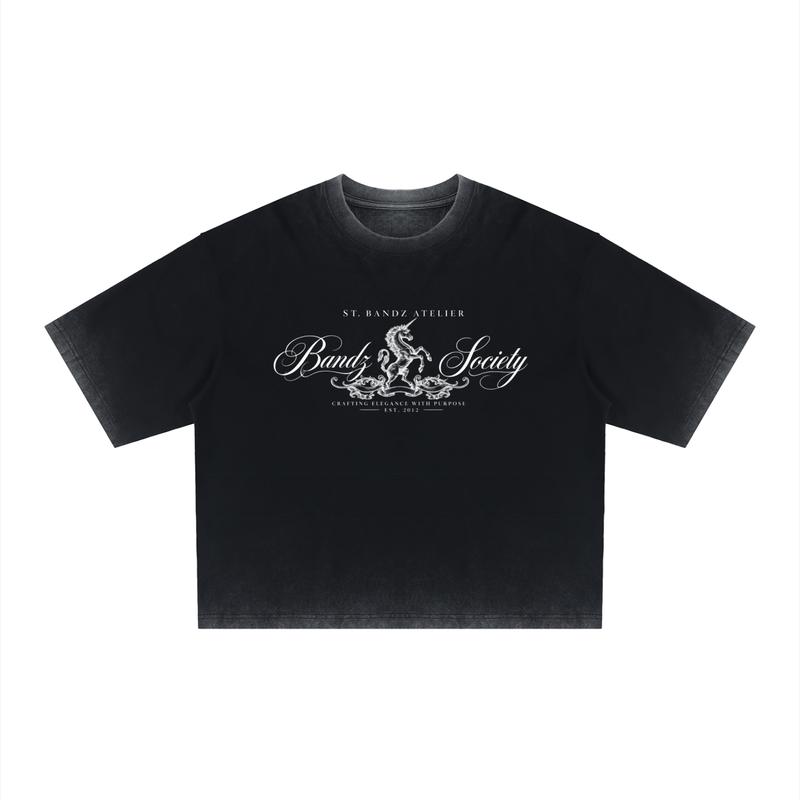
For a verified example, the ST.BANDZ Reverse Dyed Boxy T-Shirt is listed as 100% cotton at 275 gsm, with a washed finish, dropped shoulders and a slightly cropped length. The Forever Bandz tee listing describes an apricot base with distressed details, without supplying a fabric weight. That missing number is not a reason to invent one.
Five useful checks before buying
- Confirm the composition. Read the fiber percentages for the exact product rather than assuming an entire collection uses the same cloth.
- Compare garment measurements. Check chest width, body length, shoulder and sleeve measurements against something you own. Follow the chart's measurement method.
- Inspect the photographed details. Look at the neckline, seams, print placement and hem. Ask for clarification if the view you need is missing.
- Consider your climate and layers. A substantial fleece short and a sweatshirt may suit a different part of your day than a lighter tee.
- Read care and return information. Know how you will look after the garment and review the store's current policies before choosing a size.
Let texture guide the outfit
Pair a substantial sweatshirt with smoother denim or relaxed trousers if you want the cloth to be the focal point. For a coordinated fleece outfit, keep shoes and accessories restrained so the shape remains legible. A cropped top changes the outline; a texture change adds depth without requiring another color.
Follow each garment's own care label. The current sweatshirt and shorts listings both specify a gentle 30°C wash and low-temperature care, with ironing kept away from the print. Consult the latest product page if those instructions change.
Explore the styling relationships in The Art of the Relaxed Fit. Good details are easier to appreciate when the proportions give them room.